
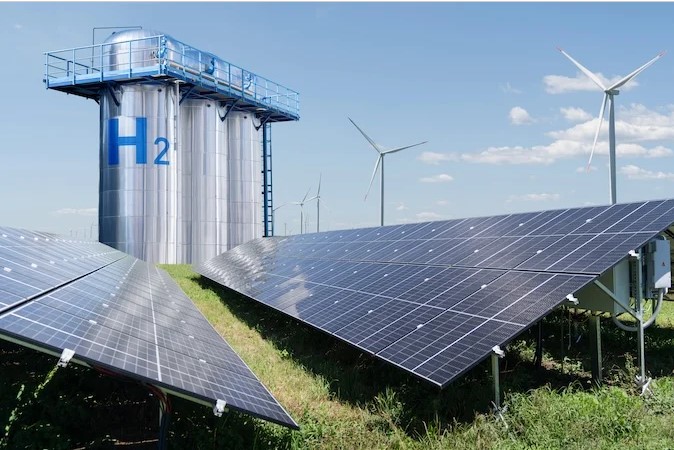
The transition toward renewable energy is reshaping the global power industry. As solar farms, wind turbines, and battery energy storage systems become increasingly widespread, the demand for more efficient power conversion technologies continues to grow. At the heart of these systems are advanced renewable energy semiconductors, particularly the High Voltage MOSFET, which enables efficient switching, lower energy losses, and improved reliability.
Modern renewable energy infrastructure depends on semiconductor technologies capable of handling high voltages, rapid switching frequencies, and harsh operating environments. Silicon Carbide (SiC) MOSFETs have emerged as one of the most significant innovations in power electronics, offering superior efficiency over conventional silicon devices while supporting higher operating temperatures and greater power density. These characteristics make them essential solar inverter components, wind energy converters, battery storage systems, and grid infrastructure.
Quest Semi continues to develop advanced Silicon Carbide semiconductor solutions designed to meet the evolving needs of renewable power generation, including high-voltage SiC MOSFETs rated for applications above 1kV and extending toward 5kV.
Why High Voltage MOSFETs Matter
A Metal-Oxide-Semiconductor Field-Effect Transistor (MOSFET) is an electronic switching device that controls electrical energy with exceptional precision. In renewable energy systems, these devices perform millions of switching operations every second while minimizing conduction and switching losses.
A High Voltage MOSFET is specifically engineered to operate at significantly higher voltages than conventional MOSFETs. Silicon Carbide technology further enhances these capabilities by providing:
- Faster switching speeds
- Lower switching losses
- Reduced heat generation
- Higher temperature operation
- Greater power density
- Improved system reliability
- Increasing conversion efficiency
- Reducing inverter size
- Lowering cooling requirements
- Supporting higher switching frequencies
- Improving long-term reliability
- Improve generator efficiency
- Minimize switching losses
- Handle higher voltages safely
- Reduce maintenance requirements
- Increase overall energy production
- Battery charging control
- DC-DC voltage conversion
- Power conditioning
- Energy flow management
- Protection against electrical faults
- Variable solar generation
- Changing wind conditions
- Consumer demand
- Battery charging cycles
- Transmission fluctuations
- Fast response to changing loads
- Precise voltage regulation
- Efficient reactive power control
- Reduced harmonic distortion
- Improved fault protection
- Higher breakdown voltage
- Lower conduction losses
- Faster switching performance
- Smaller magnetic components
- Higher operating temperatures
- Reduced cooling requirements
- Increased system efficiency
- Utility-scale solar farms
- Wind power systems
- Battery energy storage
- Industrial power conversion
- High-frequency converters
- Future high-voltage grid infrastructure